Code; Or, Making Art with a Computer
This Course
- Digital Art class, not about creating images
- The basics of computer programming
- How to use programming to make systems and other generative art works
Foundations
Understanding how computers function and how to communicate with them is a foundational skill for Media Artists
Moves us from computer USER to someone who CREATES with computers
- Produce Media Art ( Intermediate, Advanced Media Studies, Art Courses)
- Generative Performances (Body Media)
- Digital Games (Interactive Media Studio)
- Experimental Video (Intro to Video Art)
- Computational Objects (Digital Fabrication In Fine Art, Computational Textiles)
- Systems Art (Game Design)
- Cultural and political impact of programming (Intermediate, Advanced Media Theory)
- Critical code studies
- Media archeology
- Materialist analysis
- Software studies
- (New Media Research Studio)
- (Race and The Internet)
Why
Why learn programming as an artist, designer, or liberal art student?
What could be beneficial about learning programming?
Employment? Possibly? (AI?)
In short:
In a world made over by computation, knowing how to program allows you to:
- analyze contemporary cultural and technology from a materialist perspective
- create art from the very media that constructs our culture, economy and politics
Lauren Lee McCarthy
Social Turkers
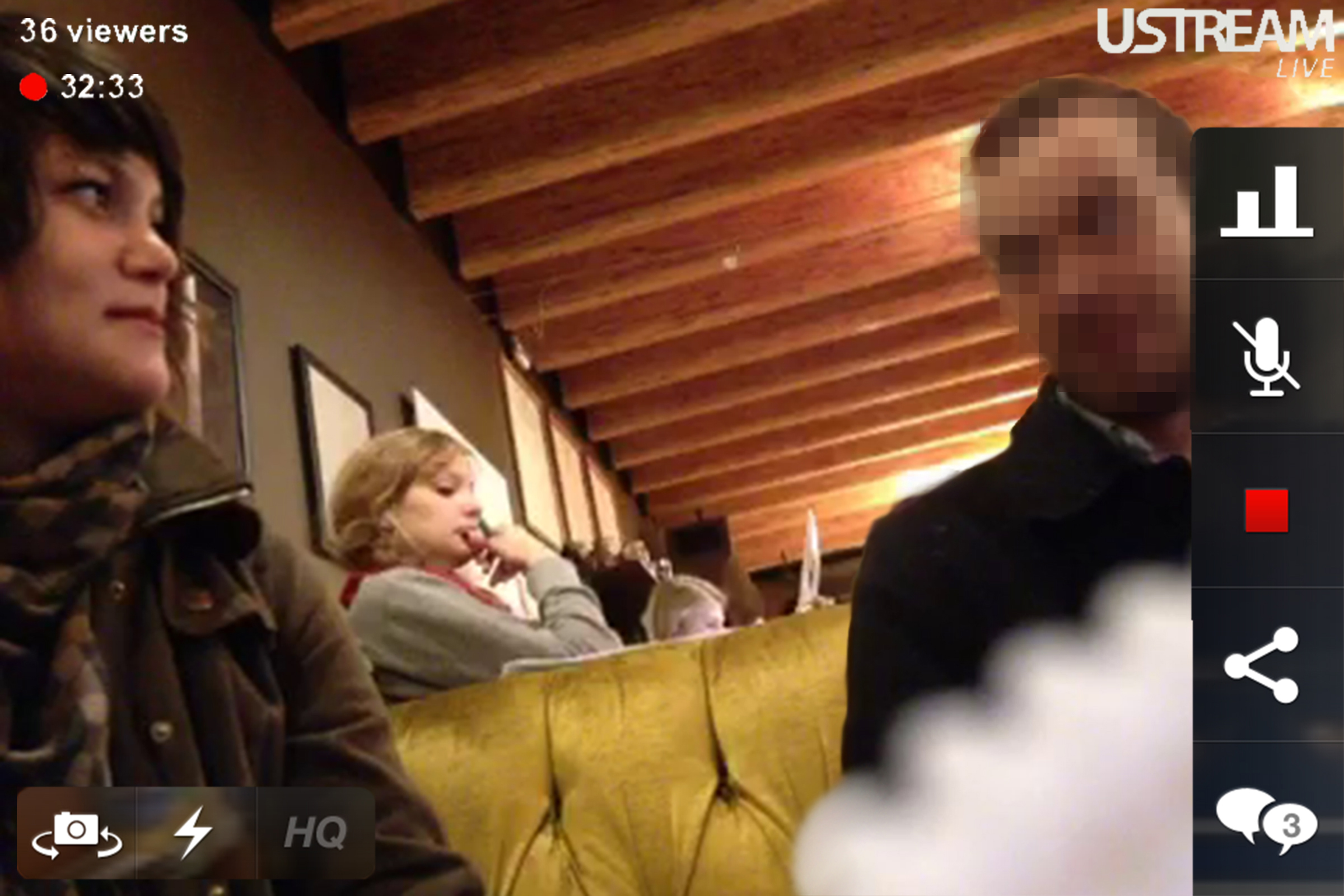
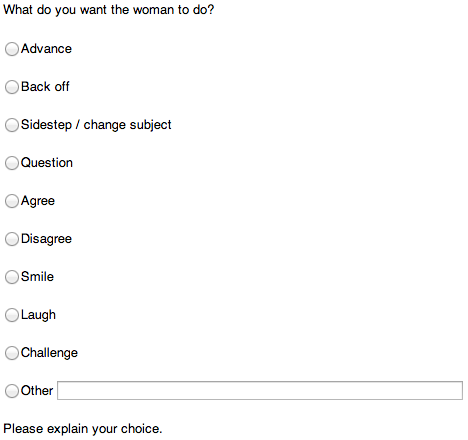
In 2013, I went on twenty dates with people I met on an online dating site called OkCupid. I used my phone to stream these dates to the Internet. I paid remote workers on a site called Amazon Mechanical Turk to watch, interpret what was happening, and direct me what to do or say next. These directions were communicated to me via text message and I had to perform them immediately
Trevor Paglen and Kate Crawford
ImageNet Roulette
What does it mean to categorize people for artificial intelligence?
When you prompt a generative system to create and image of a Loser or Failure, how does it know what a loser or failure is? Who makes these identifications?
ImageNet Roulette is trained on the “person” categories from a dataset called ImageNet (developed at Princeton and Stanford Universities in 2009), one of the most widely used training sets in machine learning research and development.
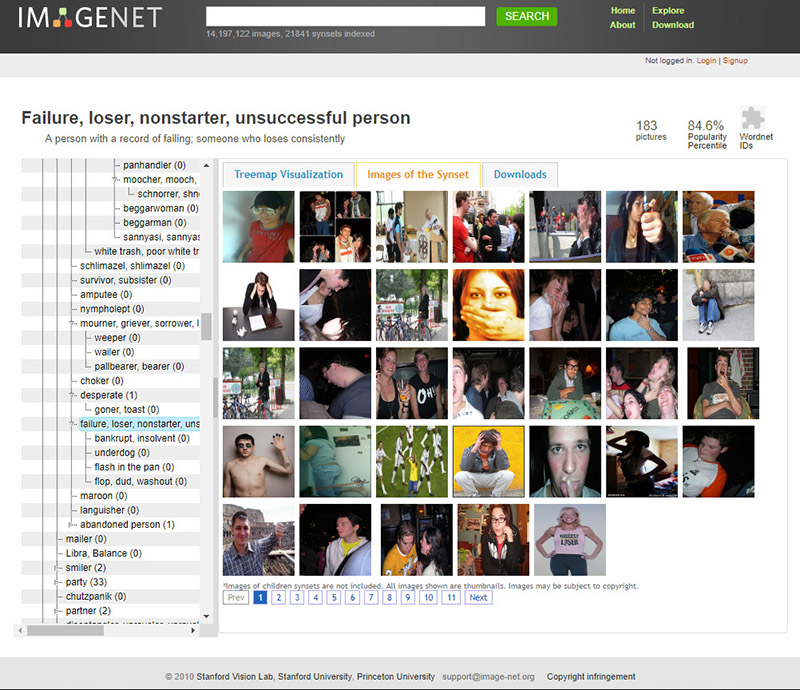
ImageNet Roulette regularly returns racist, misogynistic and cruel results.
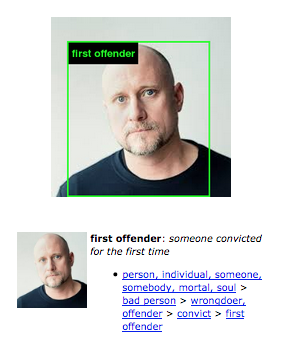
Who determines social categories such as race or gender?
- Is this a matter of more ethical engineers?
- Or is this a question of the digital that cannot be overcome, should technology be used to classify people into different groups, no matter how nuanced the classification is?
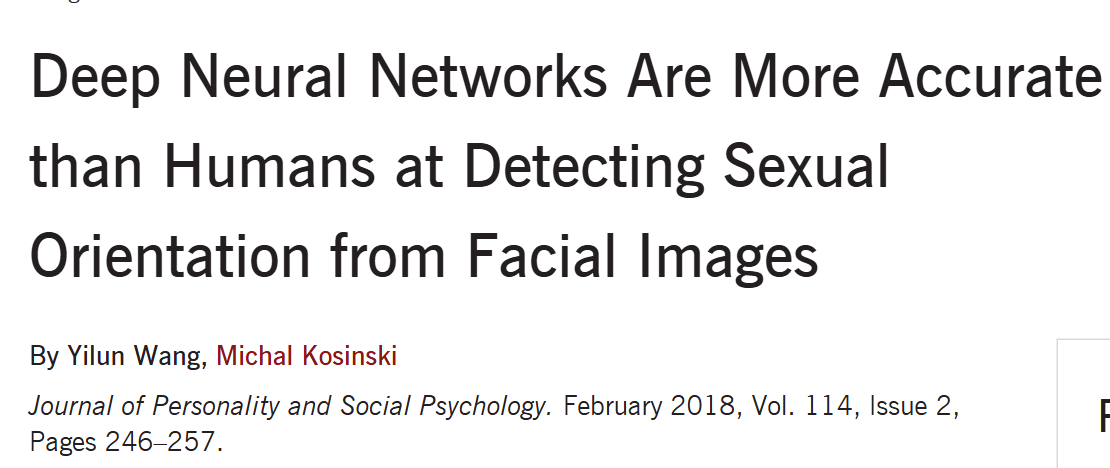
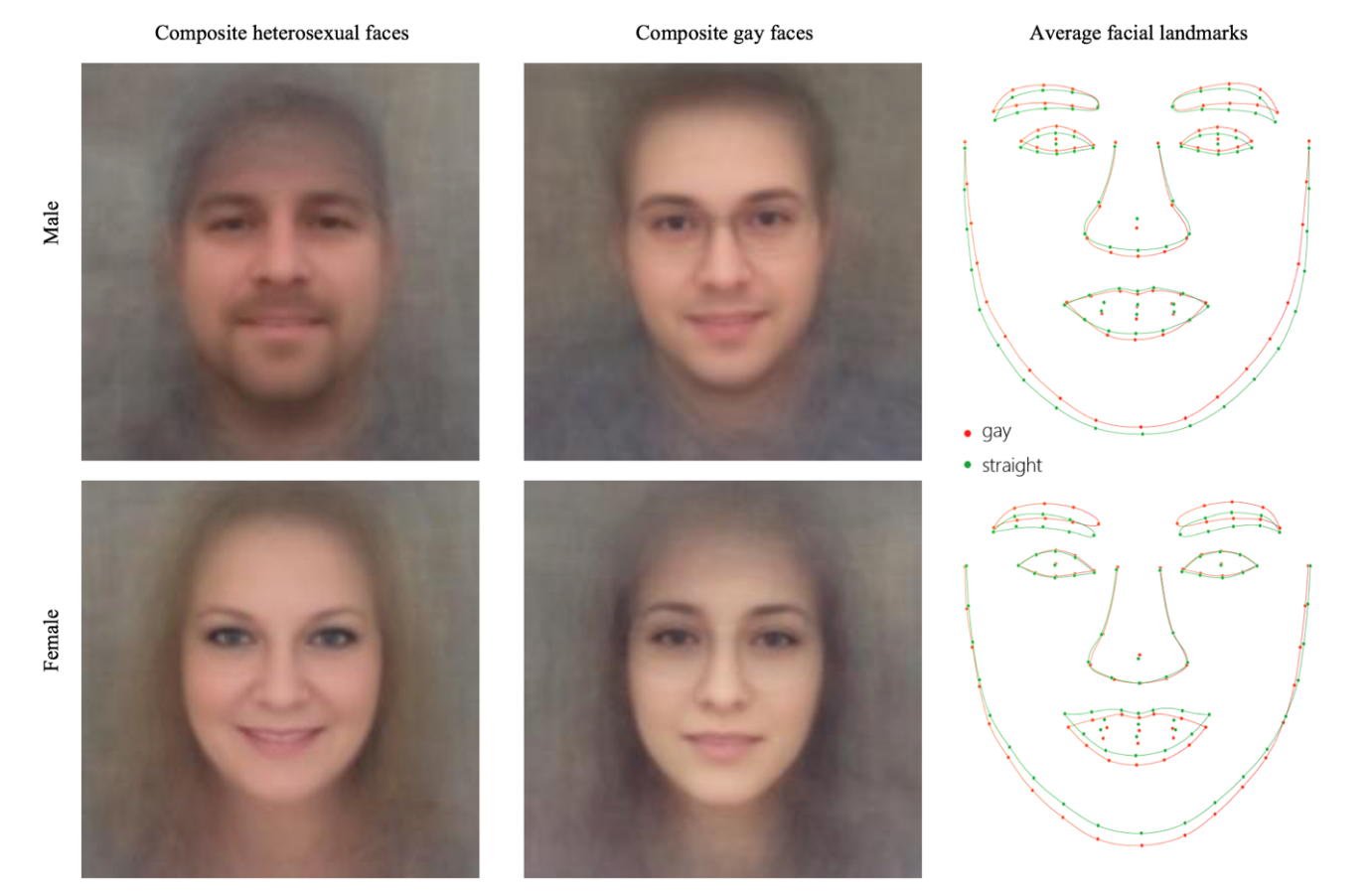
Forces Fluidity into Digitality
Aim
Knowing how to program and the logic by which computers operate allows you as artists to explore our deep and complicated relationship with computational technology.
How did we get here?
1960s - 1970s: Objects to Systems
Computer access limited to scientist, mathematicians, researchers.
As a result, most are was made by researchers with access to government, corporate, or university computers.
Frieder Nake
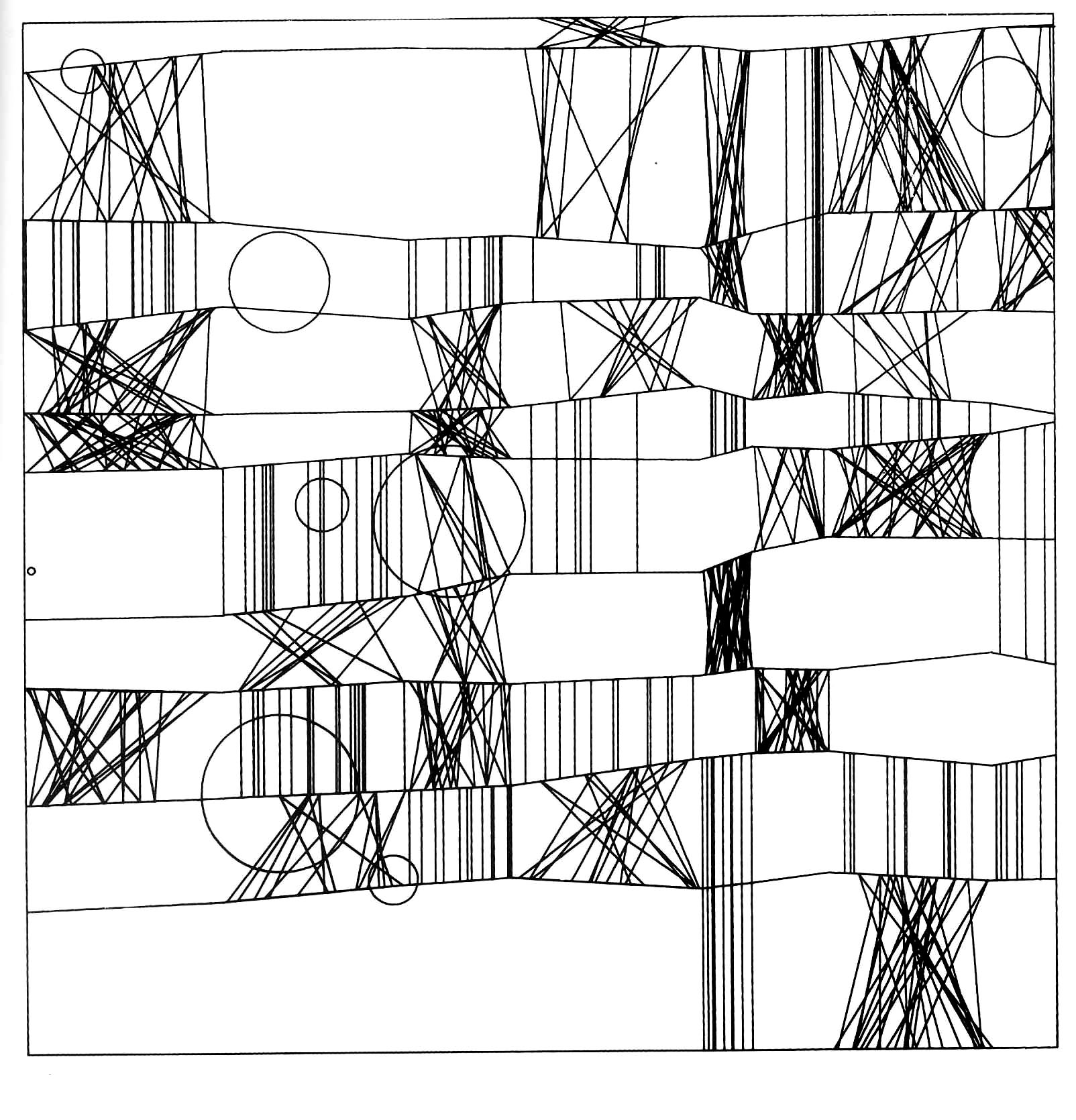
13/9/65 Nr. 2 (“Hommage à Paul Klee”)
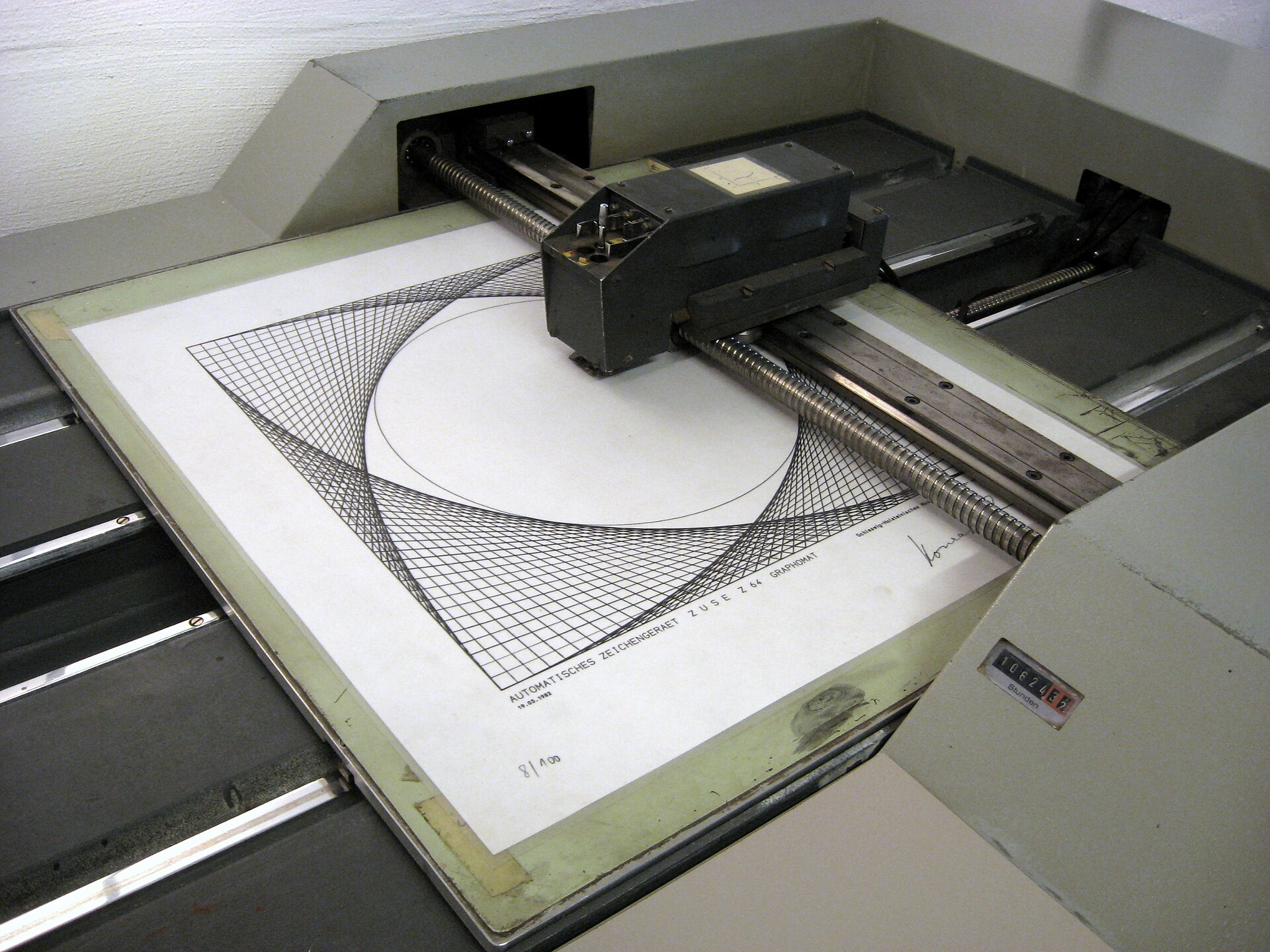
The ZUSE Graphomat Z64 was a flatbed drawing machine of high precision. Its engineer, famous computer pioneer Konrad Zuse, had originally intended it to be used for the production of maps and for land registration purposes. Both Georg Nees and Frieder Nake did their first computer art pieces on the Graphomat. This historic fact may be seen as a case of an unintended use of a technical innovation.
Vera Molnar
Artists interested in systems, not objects
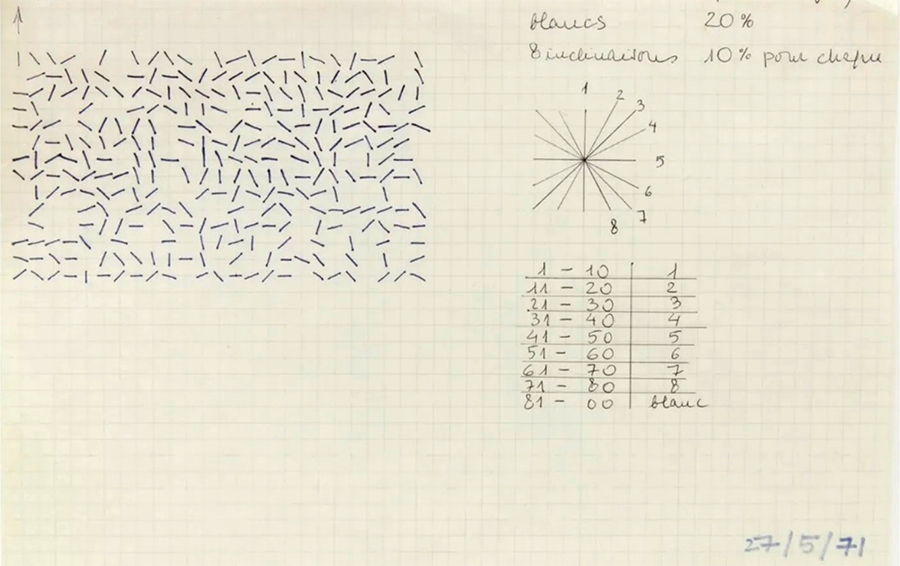
Random Distribution of 4 Elements (to progr. Computer), by Vera Molnar, Ink and graphite on paper, 1971.
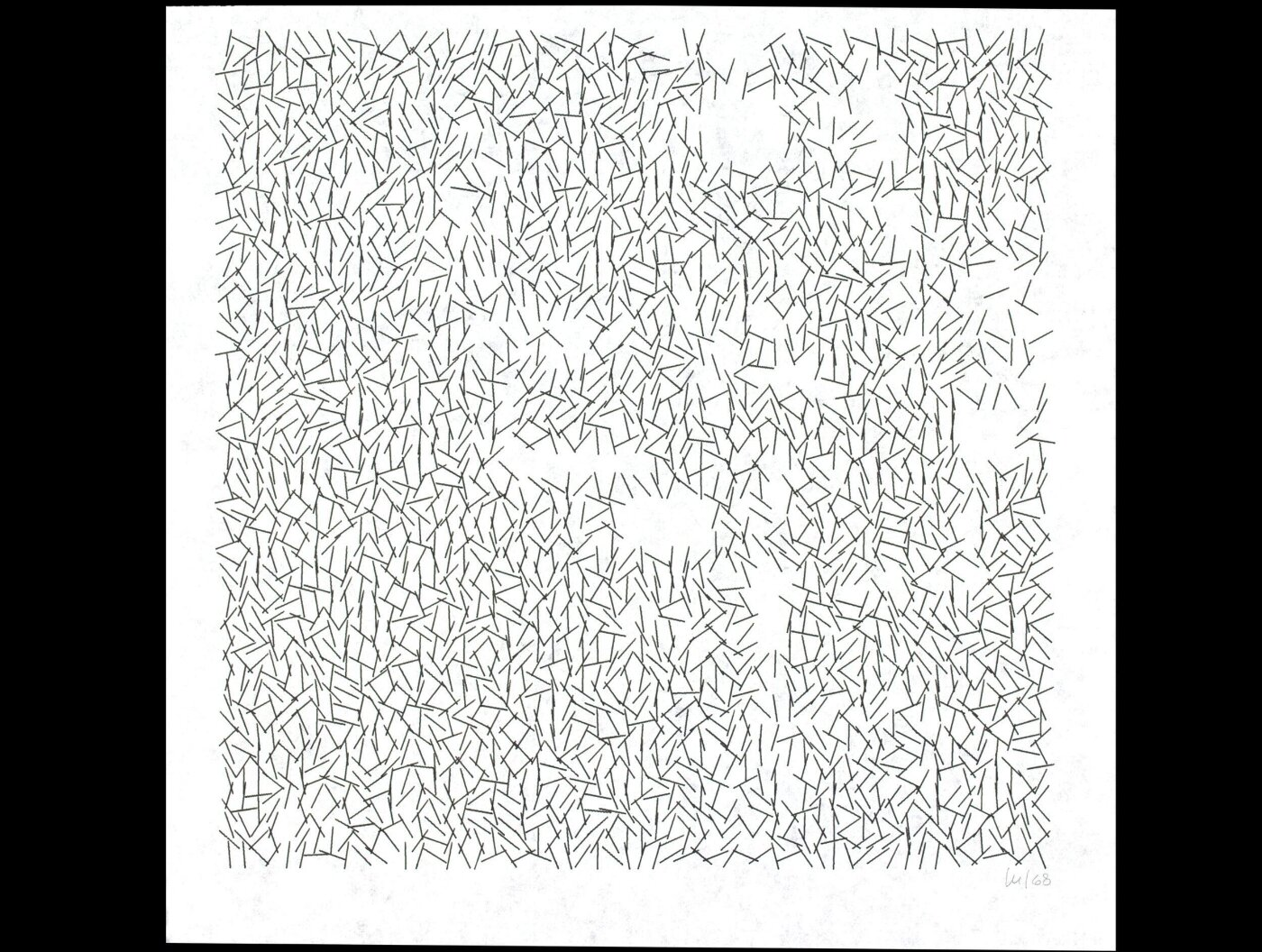
‘Interruptions’, plotter drawing, by Vera Molnar, 1969, Paris, France. Museum no. E.269-2011. © Victoria and Albert Museum, London
Begins with machine imaginaire
“ More of a method than an actual machine, the machine imaginaire was an early example of generative art, or art made using a more or less autonomous system. The artist would execute, in her own words, “algorithms by hand,” following step-by-step instructions to create series of drawings and collages that explored variations on geometric forms. This approach was part of an effort to minimize subjective decision-making…Molnar would use strategies like rolling dice or pointing to digits in the telephone book to generate random numbers.” Zsofi Valyi-Nagy
Hans Haacke
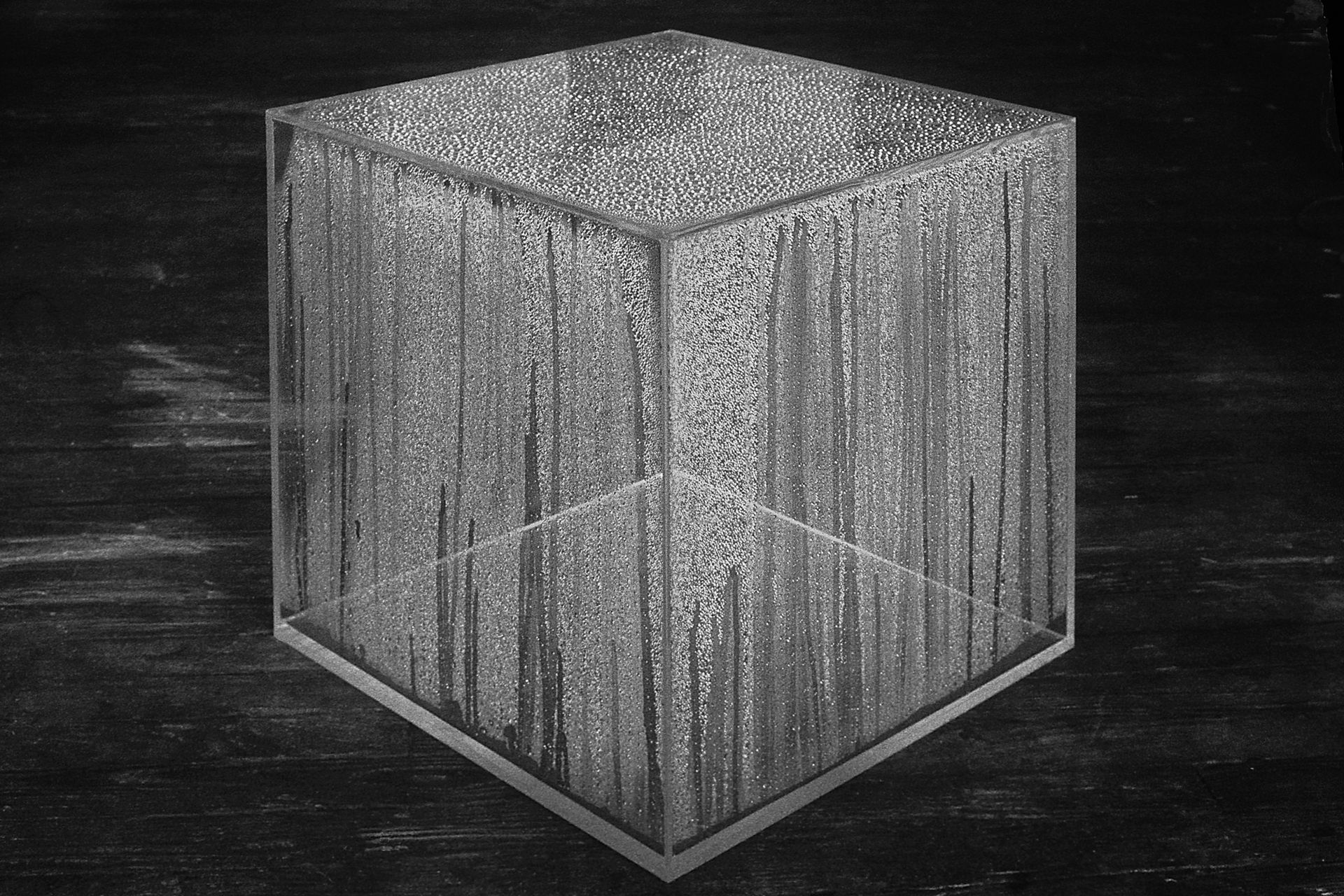
Condensation Cube, 1963-1967
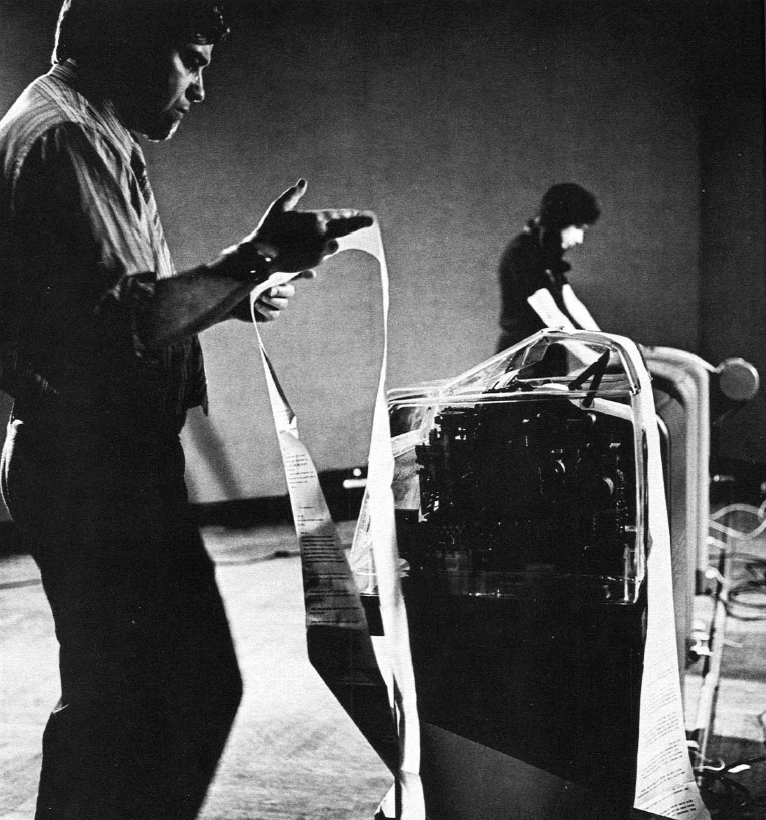

Hans Haacke, News (1969:2008); Photo: 2023 Hans Haacke: Artists Rights Society (ARS), New York:VG Bild-Kunst, Bonn; Courtesy of the artist and Paula Cooper Gallery, New York
1990’s-2000’s : The Internet and Net Art
Alternative art spaces on the web, peer to peer networks
Olia Lialina
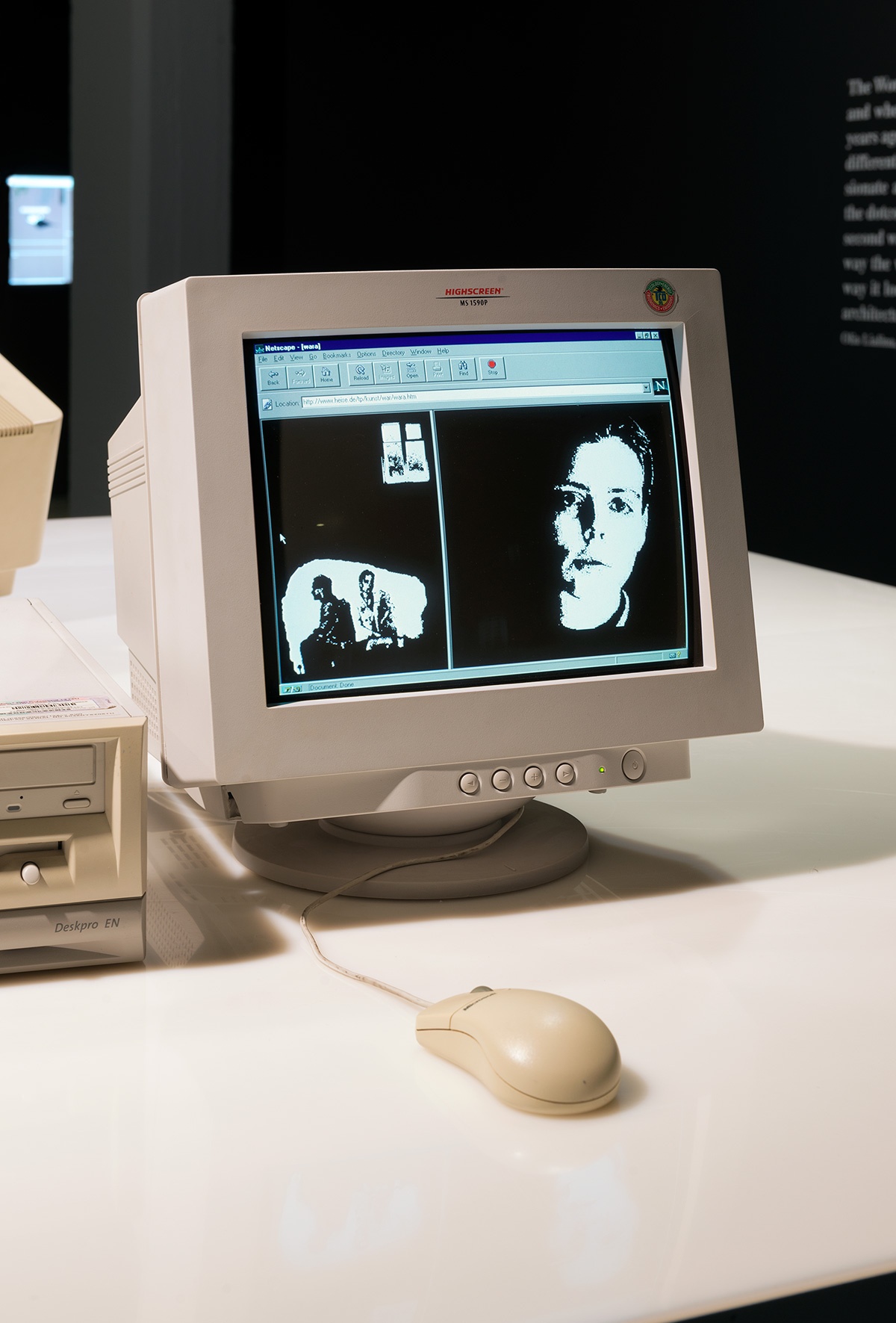
1996, My Boyfriend Came Back from the War
Jodi
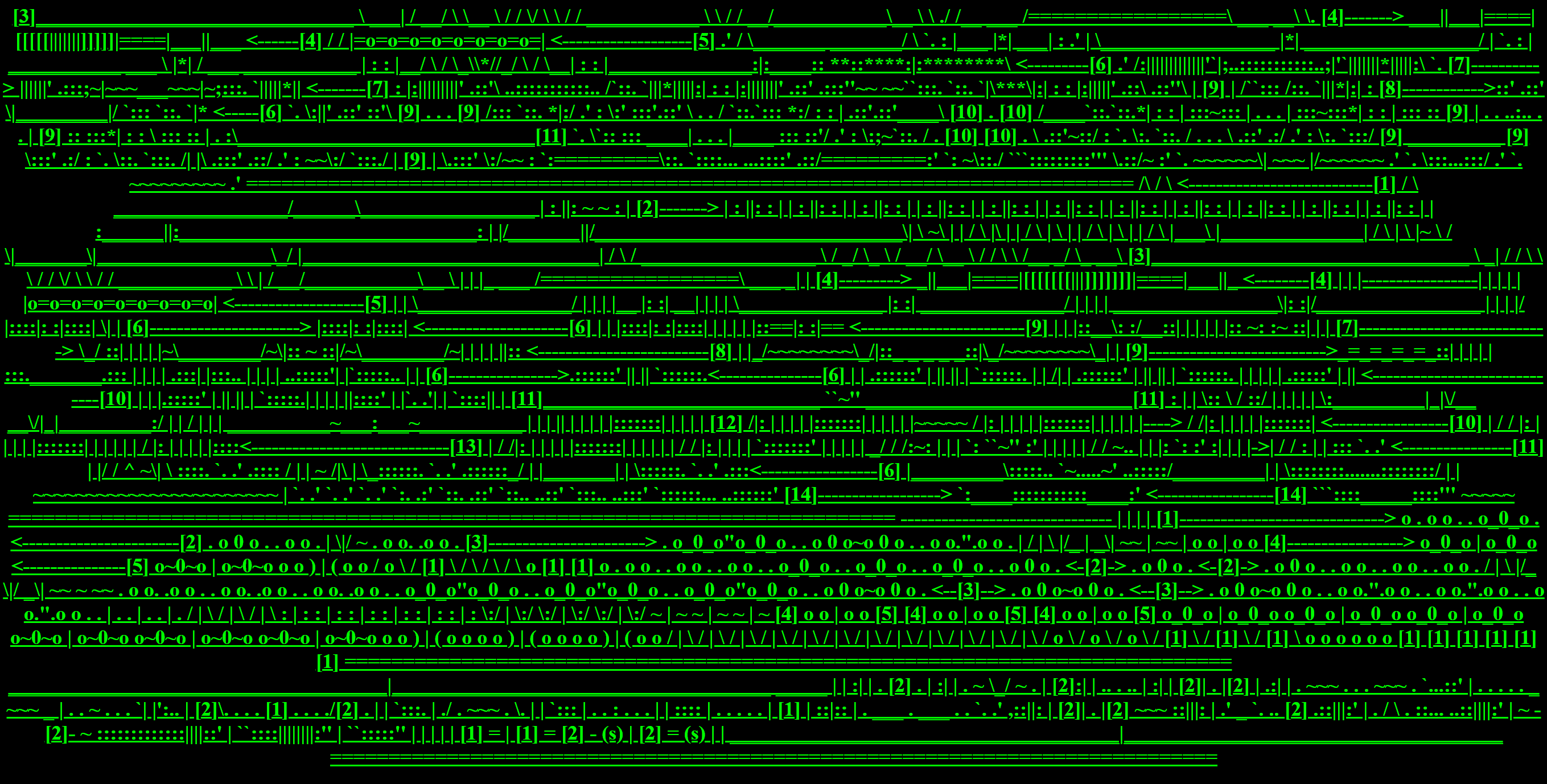
Net Art Anthology
Code and Art Today
- Robotics
- Art Games
- Interactive Installations
- Machine learning systems
- Internet interventions
- Application/Software Design
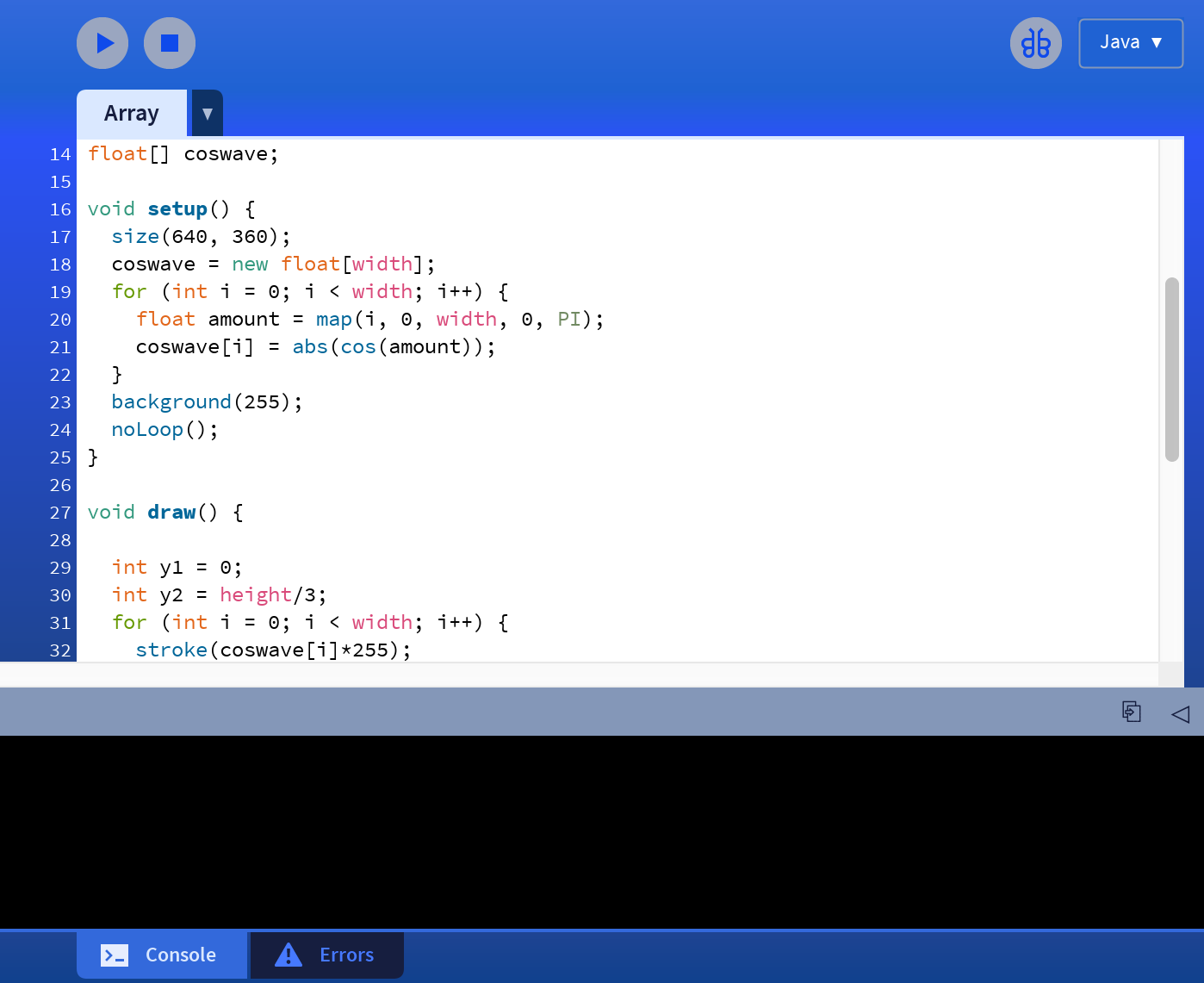
Programming Tools for Artists:
Processing, Ben Fry and Casey Reas, 2001
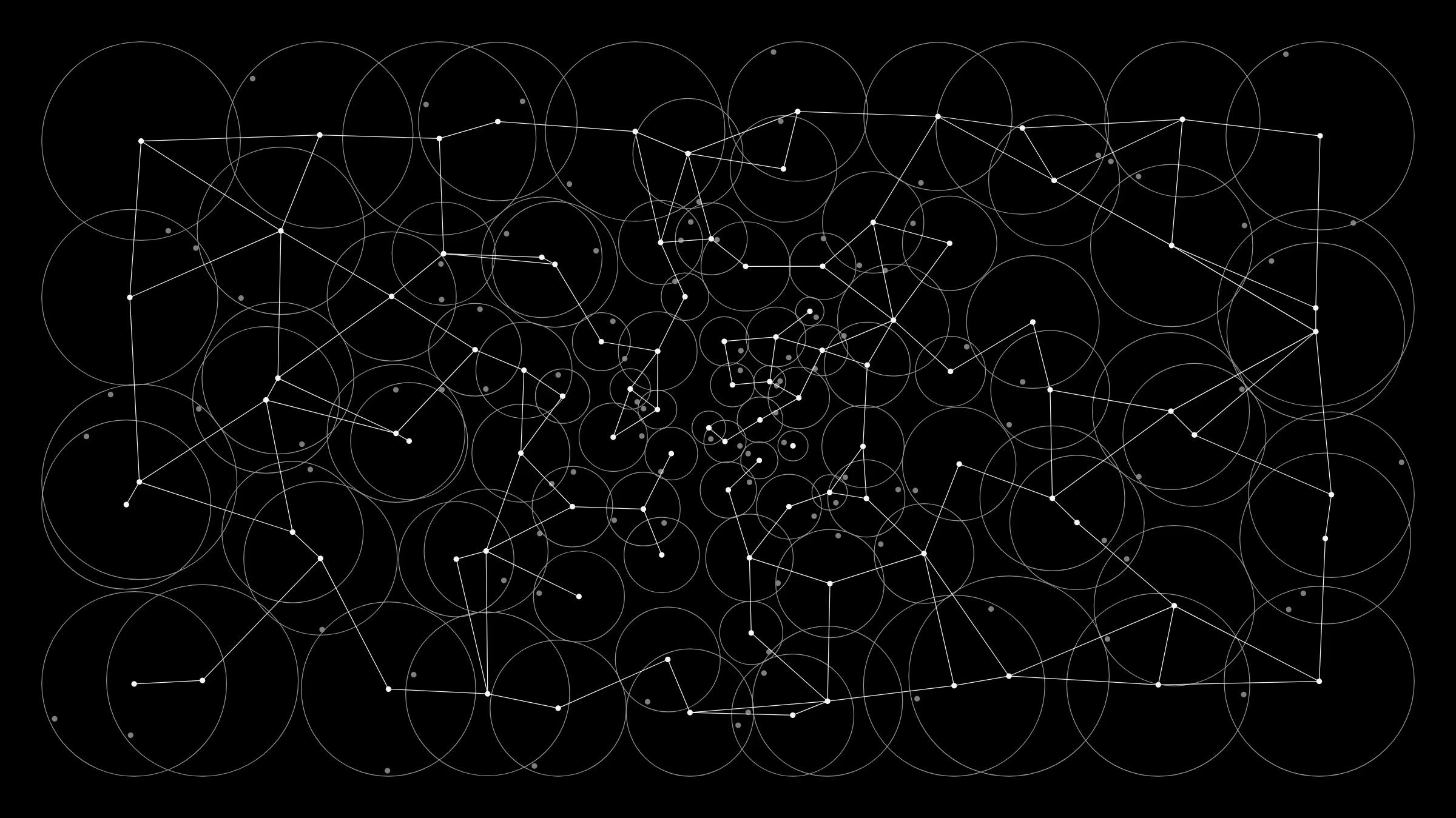
Some Artists/Artworks
Thinking with Systems and Algorithms
Not about the image, about crafting a system that produces and interesting and variety of images:
MESH (2 people)
- Draw a triangle
- Use one edge of the triangle and two new lines to draw a new triangle, but don’t intersect with another triangle
- Repeat 2, until the drawing is finished
BINARY TREE (1 person)
- Draw a line from the edge of the drawing area toward the center
- Draw two lines growing from the open endpoint of the line
- For each new line drawn in 2, repeat 2
Sol LeWitt
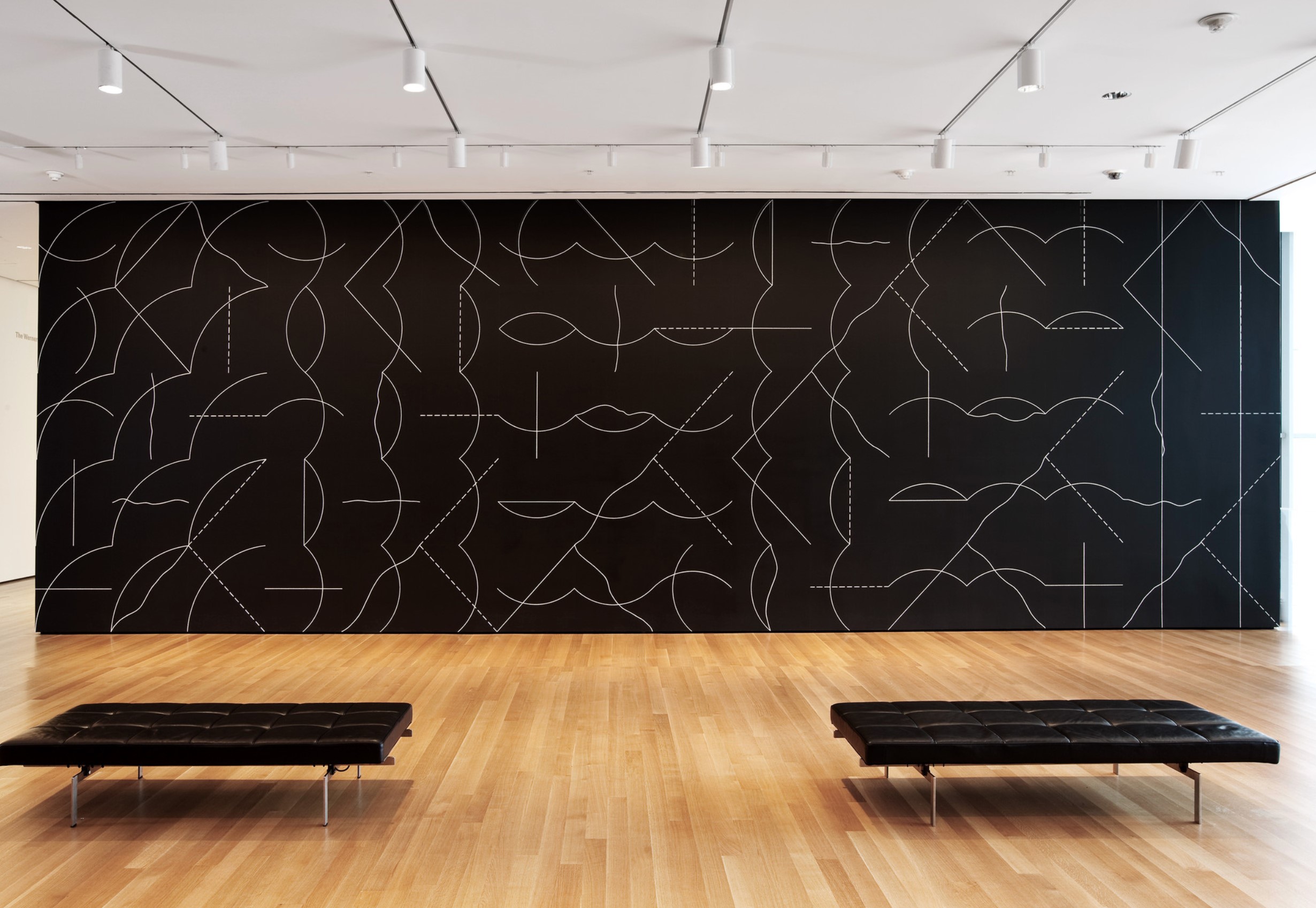
Sol LeWitt. Wall Drawing #260 (1975)
Wall Drawing #260 (1975)
Instructions:
“On black walls, all two-part combinations of white arcs from corners and sides, and white straight, not-straight, and broken lines.”
Wall Drawing #118. 1971
Instructions:
“On a wall surface, any continuous stretch of wall, using a hard pencil, place fifty points at random. The points should be evenly distributed over the area of the wall. All of the points should be connected by straight lines.”
Sol LeWitt: A Wall Drawing Retrospective - MASS MoCA
Modified version of #118 for paper:
On a piece of paper, using a pencil,
pen, or other writing utensil,
place ten points at random.
The points should be distributed
over the area of one of the paper's flat sides.
All of the points should be connected
by straight lines.